

icon卡片標題
icon卡片副標題
子項目說明 第一行 第二行 第三行

a b c 子內容說明
a b c 主要內容說明
主要內容標題
主要內容副標題
.png)
aaaIn today's data-driven world, high-performance computing, AI, and other demanding applications are pushing data centers to their limits, resulting in significant heat generation. Traditional air cooling methods are struggling to keep up with the growing energy demands and heat output. Liquid cooling solutions are emerging as a transformative approach to efficiently manage heat dissipation and optimize performance in data centers.
Liquid cooling provides superior thermal management by directly absorbing and transferring heat from high-density components like CPUs, GPUs, and memory modules, resulting in lower energy consumption, reduced cooling costs, and increased computing density. This technology is particularly effective for next-generation data centers that support AI, HPC, and cloud applications, where performance and sustainability are crucial.
As data centers continue to evolve, liquid cooling solutions offer a forward-thinking approach to addressing the challenges of energy efficiency, thermal regulation, and high-performance computing in a more sustainable and cost-effective manner.
Cooling Technology
Amidst growing server installations, datacenter sustainability gains importance. Power Usage Effectiveness (PUE) emerges as a vital metric, gauging datacenters' energy efficiency by comparing total energy consumption to that delivered to computing equipment. To lower PUE, datacenters explore various cooling technologies, each with unique advantages and disadvantages.
Comparison of Different Cooling Technologies
| Maturity | Relative Cost | Pros | Cons | |
|---|---|---|---|---|
| Air Cooling |
|
|
||
| Liquid-Assisted Air Cooling |
|
|
||
| Self-Contained Liquid Cooling |
|
|
||
| Single-Phase Immersion Cooling |
|
|
||
| Two-Phase Immersion Cooling |
|
|
MiTAC Liquid Cooling Solutions
Enter Liquid Cooling, the game-changing technology reshaping data center efficiency. With its Warm Liquid Cooling approach, it effectively removes heat from components (CPU/ GPU/ DIMM) while consuming less power. By eliminating cooling fans, it unlocks higher computing performance and better airflow, leading to remarkable gains in efficiency.
Beyond performance enhancements, Liquid Cooling significantly reduces data centers' carbon footprint, paving the way for a more sustainable future. This eco-conscious technology aligns perfectly with the global shift towards greener practices.
MiTAC has been at the forefront of integrating liquid cooling technologies into data center solutions. Since the 2018 platform, we have incorporated self-contained liquid cooling solutions into our Intel DSG (Datacenter Solutions Group) products. Over three successive generations, we have successfully implemented these advanced cooling technologies, offering our customers a complete solution that spans from L10 to L11 rack integration based on their specific needs.
The MiTAC Intel® server D50DNP and D50TNP families are optimized for high-performance computing (HPC) and artificial intelligence (AI) applications, broadening the scope of available solutions. These server systems feature compute modules that support liquid cooling, allowing for two high-speed processors in a single 1U form factor. This design enhances compute density and improves energy efficiency across the entire data center infrastructure, ensuring optimal performance for even the most demanding workloads.
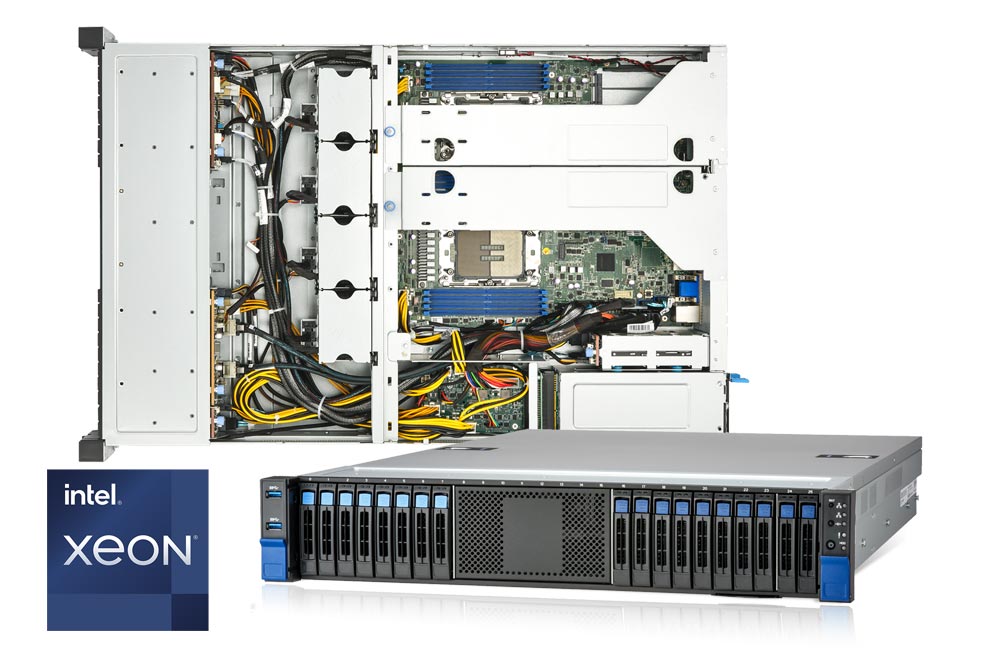
Intel® Server D50DNP Family

2U4N server with 5th Gen Intel Xeon Scalable Processors
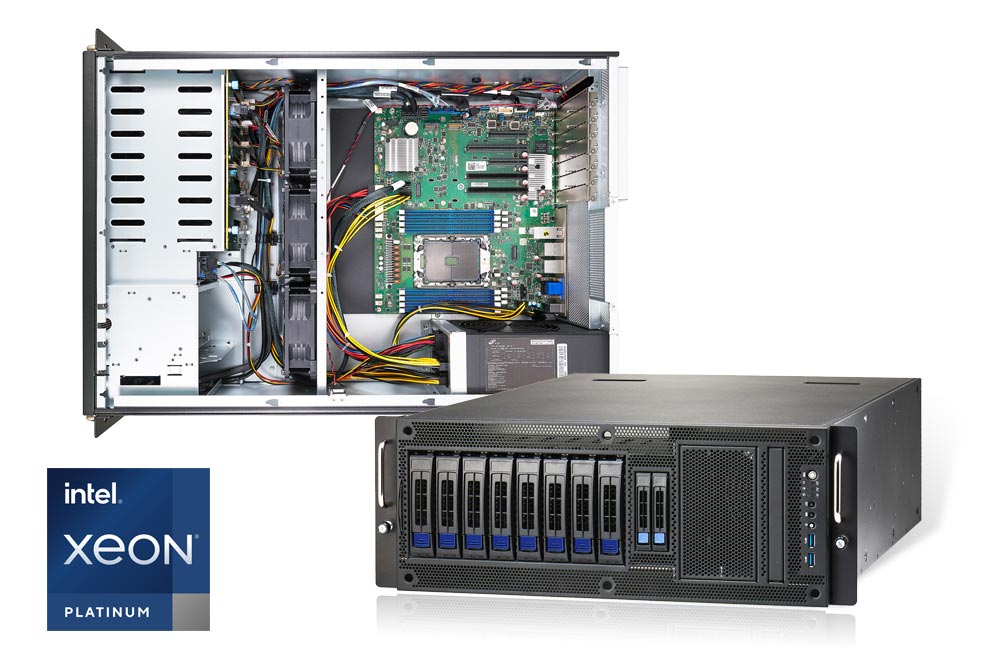
Intel® Server D50TNP Family

2U4N server with 3rd Gen Intel Xeon Scalable Processors
sdfsdf sdfsdfsd | ||
sfdfsfdffsf sdfsdfsdf sdfsdfsd | dfdsfsdffs | |
dsfsdf sdfsdf sdfsdf | |


輪播卡片標題
輪播卡片副標題
卡片一產品名稱
卡片一說明
solution相關產品
solution相關產品副標題
FAQ主要內容標題
FAQ主要內容副標題
第一題回答
第二題回答
影片主要內容標題
影片主要內容副標題
TEST TEST TEST TEST23243Q TEST TEST TEST TEST TEST TEST TEST TEST TEST TEST TEST TEST TEST TEST TEST TEST TEST TEST TEST TEST TEST TEST TEST
測試影片測試影片測試影片測試影片測試影片測試影片測試影片
影片二
TEST21111
聯絡我們主要內容標題
聯絡我們主要內容副標題
頁籤主要內容標題
頁籤主要內容副標題
子項目標題
說明說明說明
 LoadingLoading
FAQ
3324
我是標題123
我是副標456
標題測試
副標題測試
Loading
Stay Connected
Get industry insights, news, and event highlights.